

Review: So You Want to Talk About Race by Ijeoma Oluo
In a Nutshell
Ijeoma Oluo's essential guide offers a clear, powerful, and humane examination of race in America, equipping readers for necessary conversations.
In a society often characterized by its deafening silences and polite evasions, Ijeoma Oluo's "So You Want to Talk About Race" emerges not as a gentle suggestion, but as a clarion call. It is a book that demands attention, not through inflammatory rhetoric, but through its unwavering commitment to clarity, honesty, and the painstaking work of dismantling deeply ingrained societal structures. Oluo doesn't just invite conversation; she equips us with the tools to engage in it meaningfully, acknowledging from the outset that this is not comfortable work, but necessary work. This is a guide for the willing, a manual for the curious, and a necessary reckoning for anyone who believes that silence equals progress.
"So You Want to Talk About Race" is, at its core, an accessible yet unflinching examination of the complexities surrounding race in America. Oluo tackles a vast array of topics, from the seemingly innocuous (like microaggressions and cultural appropriation) to the systemic (such as the school-to-prison pipeline and the history of racial policy). She systematically breaks down the often-unseen scaffolding of racism, demonstrating how it permeates every facet of our lives, from media representation to personal interactions. The book is structured as a series of direct, urgent questions, each serving as a gateway to a deeper understanding of how race operates and why talking about it, however difficult, is paramount to achieving genuine equity. It is an invitation to move beyond performative allyship and engage in the substantive, often uncomfortable, dialogue that true social change requires.
What Oluo achieves with this book is nothing short of remarkable. Her prose is both intellectually rigorous and deeply humane, a rare combination that makes potentially dense sociological concepts digestible and, more importantly, relatable. She possesses an uncanny ability to anticipate the reader's hesitations and internal defenses, addressing them head-on with empathy and irrefutable logic. For instance, her deconstruction of the "model minority" myth is particularly potent, illustrating how even seemingly positive stereotypes can serve to divide and dehumanize. Unlike some academic texts that can feel alienating, Oluo grounds her arguments in lived experiences and everyday scenarios, making the abstract tangible. Her approach reminds me of Ta-Nehisi Coates' ability to weave personal narrative with historical analysis, though Oluo's focus is more directly pedagogical, aiming to equip readers with practical understanding rather than solely recount historical trauma. The sheer breadth of topics covered, from the nuances of intersectionality to the impact of white fragility, is staggering, yet each chapter feels focused and purposeful, building a comprehensive picture of racial dynamics.
While the book is exceptionally strong, there are moments where the sheer volume of information, coupled with the direct, almost didactic, tone, might feel overwhelming for readers entirely new to these concepts. Oluo's commitment to thoroughness is a virtue, but in a few instances, particularly when delving into the intricate legal and historical underpinnings of certain issues, the narrative momentum occasionally slows. A slightly more varied pacing, perhaps by interspersing more personal anecdotes within these denser sections, could have further enhanced the reader's journey. Additionally, while Oluo excels at dissecting problems and explaining their origins, the "how-to" aspect of implementing these conversations in one's own life, beyond the foundational principles, could perhaps be expanded upon further. It's a minor quibble in an otherwise masterfully constructed work, but one that might leave some readers wanting even more actionable, minute-by-minute guidance for navigating difficult conversations in real-time.
Ultimately, "So You Want to Talk About Race" is an essential read for anyone seeking to understand the pervasive influence of race in contemporary society. It is a book that challenges, educates, and empowers, stripping away the often-unhelpful euphemisms and euphemisms that allow racism to persist. Oluo provides not just a diagnosis, but a blueprint for understanding and, hopefully, for change. Readers will close this book not with all the answers, but with a profound sense of clarity about the questions they need to be asking themselves and others. It is a vital contribution to the ongoing, necessary work of building a more just and equitable world, one conversation at a time. Ijeoma Oluo has given us a gift: the courage to speak, and the knowledge to speak well.
More Reviews
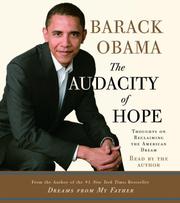
Review: The Audacity of Hope: Thoughts on Reclaiming the American Dream by Barack Obama
by Barack Obama
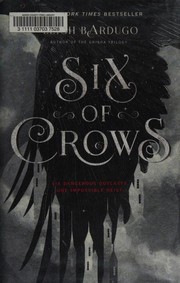
Review: Six of Crows by Leigh Bardugo
by Leigh Bardugo
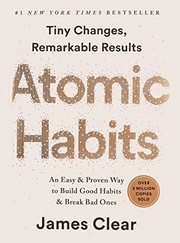
Review: Atom Habits: An Easy & Proven Way to Build Good Habits & Break Bad Ones by James Clear
by James Clear