
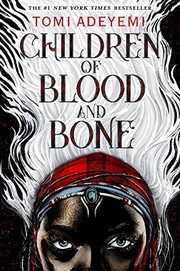
Review: Children of Blood and Bone by Tomi Adeyemi
In a Nutshell
A young woman fights to restore magic to her oppressed homeland, battling tyranny and confronting her own destiny in a world inspired by West African mythology.
Tomi Adeyemi's *Children of Blood and Bone* arrives not just as a novel, but as a thunderclap, a potent echo of ancestral whispers and a vibrant reclaiming of narrative. It is a story steeped in the magic of West African mythology, yet it speaks a universal language of oppression, resistance, and the desperate fight for belonging. This is a fantasy that feels deeply, viscerally real, even as it conjures beings of myth and power.
The novel plunges us into the kingdom of Orïsha, a land brutally stripped of its magic by a tyrannical king who feared its power. For generations, the maji, those born with the gift of magic, have been hunted and persecuted. Zélie Adebola, a young woman who carries the dormant spark of this ancient power, is thrust into a perilous quest to restore magic to her people and avenge her mother’s death. Alongside her fiercely protective brother, Tzain, and a defiant prince with secrets of his own, Zélie must navigate treacherous landscapes, evade royal forces, and confront the very forces that have systematically dismantled her culture.
What truly sings in *Children of Blood and Bone* is Adeyemi's unparalleled world-building. Orïsha is not merely a backdrop; it is a character in itself, rendered with breathtaking detail. From the bustling, vibrant markets of Lagos to the eerie, forgotten temples, every setting pulses with life and history. Adeyemi weaves in elements of Yoruba folklore with such masterful grace that the magic feels both ancient and utterly fresh, breathing new life into fantasy tropes. The gods are not distant figures but are woven into the very fabric of the land and its people. I found myself captivated by the nuanced portrayal of magic, its various forms and its inherent connection to lineage and spirit. Zélie herself is a compelling protagonist – fierce, flawed, and achingly relatable. Her journey from a place of fear and anger to one of leadership and fierce determination is a powerful arc, one that resonates long after the final page.
The narrative also excels in its exploration of profound themes. Adeyemi unflinchingly tackles the legacy of colonialism, systemic racism, and the devastating impact of prejudice. The parallels drawn between the persecution of the maji and the historical oppression of marginalized communities are stark and deeply moving. This is not a subtle allegory; it is a roaring declaration, a necessary unburdening of historical trauma. The emotional weight of the story is palpable, with moments of profound grief, searing anger, and also soaring hope. The relationships, particularly between Zélie and Tzain, are beautifully rendered, showcasing the enduring strength of familial bonds amidst chaos.
While the novel is undeniably a triumph, there were moments where the pacing felt slightly uneven. The relentless pursuit and high stakes, while exhilarating, occasionally overshadowed opportunities for deeper character introspection beyond the immediate crisis. A few of the secondary characters, while intriguing, could have benefited from more page time to fully flesh out their motivations and complexities. Furthermore, the climactic confrontation, while satisfying in its immediate resolution, left me yearning for a slightly more drawn-out exploration of its aftermath and the potential ripple effects across Orïsha. It’s a minor quibble in an otherwise monumental work, but one that speaks to the vast potential of this universe.
Ultimately, *Children of Blood and Bone* is an electrifying, essential read that announces the arrival of a significant new voice in fantasy literature. It’s a story that will ignite conversations, stir souls, and demand to be remembered. For anyone seeking a fantasy novel that is as intellectually stimulating as it is emotionally resonant, a story that celebrates heritage and challenges injustice with every turn of the page, this is an absolute must. Adeyemi has crafted a myth for our times, a potent reminder that even in the deepest darkness, the embers of magic and hope can still ignite.
More Reviews
Review: The Audacity of Hope: Thoughts on Reclaiming the American Dream by Barack Obama
by Barack Obama
Review: Six of Crows by Leigh Bardugo
by Leigh Bardugo
Review: Atom Habits: An Easy & Proven Way to Build Good Habits & Break Bad Ones by James Clear
by James Clear