

Review: Radical Candor: Be a Kick-Ass Boss Without Losing Your Humanity by Kim Scott
In a Nutshell
This book offers a practical framework for compassionate yet direct feedback, transforming leadership into a human-centric endeavor that drives growth.
It’s a rare thing for a business book to feel less like a manual and more like a deeply empathetic conversation, but Kim Scott’s "Radical Candor: Be a Kick-Ass Boss Without Losing Your Humanity" manages this feat with impressive grace. Scott argues, with compelling clarity, that the most effective leaders are not those who are ruthlessly efficient or perpetually nice, but those who master the delicate art of caring personally while challenging directly. This isn't about "tough love" disguised as feedback; it's about building genuine relationships that foster growth, not fear.
At its core, "Radical Candor" proposes a framework for providing feedback that avoids the pitfalls of "Ruinous Empathy" (avoiding difficult conversations to spare feelings, ultimately doing more harm) and "Manipulative Insincerity" (offering vague praise or criticism without genuine care or intent). Instead, Scott champions a model built on two axes: the willingness to directly challenge someone you care about, and the capacity to care personally about that person. When these two elements are present, you achieve Radical Candor – a state where you can be both a supportive mentor and a demanding boss, pushing your team to excel while ensuring they feel valued and understood. The book is peppered with anecdotes from Scott’s own career, from her time at Google and Apple to her work with startups, illustrating the practical application of these principles in real-world scenarios.
What works beautifully in "Radical Candor" is its unwavering humanity. Scott doesn't shy away from the awkwardness and vulnerability inherent in giving and receiving feedback. She acknowledges that it’s hard, that it can sting, but frames it as a necessary component of professional and personal development. Her prose is accessible, almost conversational, making complex psychological dynamics understandable and actionable. I found myself nodding along, recalling instances where I'd either been on the receiving end of poor feedback or, shamefully, delivered it myself. The book’s strength lies in its practical, relatable examples; Scott doesn’t present hypothetical ideals but grounded, messy realities. The distinction between the four quadrants – Radical Candor, Ruinous Empathy, Obnoxious Aggression, and Manipulative Insincerity – is not just a helpful mnemonic device, but a genuinely insightful lens through which to examine our own leadership behaviors. It's the kind of book that prompts introspection and immediate application, much like Brené Brown's work on vulnerability, but focused specifically on the professional realm.
However, while the core concepts are undeniably potent, there are moments where the book could benefit from deeper exploration of the nuances. While Scott is excellent at illustrating *what* Radical Candor looks like, the *how* can sometimes feel a bit glossed over, particularly when navigating deeply entrenched organizational cultures or dealing with individuals who are exceptionally resistant to feedback. The sections on handling specific scenarios, like firing someone or dealing with a poor performer, while necessary, occasionally felt like they could have been fleshed out further with more detailed case studies or alternative approaches. It’s a minor quibble, but in a book so focused on practical application, a bit more granular detail in these tougher situations might have been welcome.
Ultimately, "Radical Candor" is an indispensable guide for anyone who manages people, or aspires to. It’s a timely reminder that effective leadership isn't about being a tyrant or a pushover, but about being a principled, compassionate human being who is committed to the growth of others. Readers will walk away with a clearer understanding of how to foster a feedback-rich environment where trust and high performance can coexist. This isn't just a business book; it's a roadmap for becoming a better leader and, by extension, a better person in the workplace.
This book offers a practical framework for compassionate yet direct feedback, transforming leadership into a human-centric endeavor that drives growth.
More Reviews
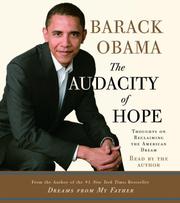
Review: The Audacity of Hope: Thoughts on Reclaiming the American Dream by Barack Obama
by Barack Obama

Review: Six of Crows by Leigh Bardugo
by Leigh Bardugo
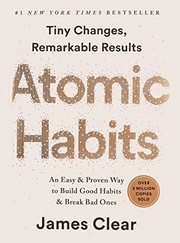
Review: Atom Habits: An Easy & Proven Way to Build Good Habits & Break Bad Ones by James Clear
by James Clear