
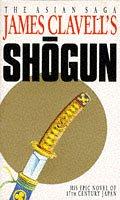
Review: Shōgun by James Clavell
In a Nutshell
Epic tale of an English pilot shipwrecked in 17th-century Japan, navigating a world of samurai, politics, and cultural collision.
James Clavell’s *Shōgun* doesn’t just transport you to feudal Japan; it immerses you in its intricate tapestry of honor, ambition, and the intoxicating clash of vastly different worlds. It’s a novel that demands patience, rewarding the persistent reader with an experience as profound as it is epic, a true benchmark in historical fiction.
At its heart, *Shōgun* is the story of John Blackthorne, an English ship pilot whose vessel is shipwrecked off the coast of Japan in the early 17th century, a time of immense political upheaval and isolation. Washed ashore, he finds himself a pawn in the dangerous game of power between Toranaga, a cunning feudal lord vying for the Shogunate, and his rivals. Blackthorne, with his alien knowledge of navigation and his very existence an affront to Japanese society, becomes an unlikely catalyst, his survival inextricably linked to Toranaga’s fate, and his understanding of courage and loyalty irrevocably altered by the samurai code.
What makes *Shōgun* so utterly captivating is its meticulous, almost anthropological, portrayal of Japanese culture. Clavell doesn't shy away from the rituals, the etiquette, the stark beauty and brutal realities of Edo-period Japan. The language itself, from the descriptions of the landscape to the nuances of social interaction, is rich and evocative, pulling you into a world both alien and strangely familiar. Blackthorne’s journey from bewildered captive to a man who learns to navigate not just the seas but the treacherous currents of Japanese politics and philosophy is brilliantly rendered. His relationship with Lady Mariko, a woman caught between her duty, her faith, and her complex past, is a particular triumph, a source of profound emotional depth and ethical quandaries. I found myself utterly absorbed in the slow burn of their intellectual and emotional connection, a testament to Clavell's skill in crafting believable, multifaceted characters. The sheer scale of the narrative, encompassing political intrigue, espionage, and the stark realities of warfare, never feels overwhelming; instead, it builds with a relentless, almost inexorable momentum, much like the tides that Blackthorne understands so well.
The novel's pacing, while generally masterful, does occasionally falter. There are stretches, particularly in the middle third, where the intricate political maneuvering, while essential, can feel dense and repetitive, slowing the narrative's momentum. While this serves to highlight the laborious nature of diplomacy and the deep-seated traditions Clavell is exploring, a more judicious editing of some of these sequences might have maintained the urgency more consistently. Furthermore, while the exploration of the samurai code and Bushido is central, a deeper dive into the philosophical underpinnings of other belief systems present, such as Buddhism, could have added even more layers to the cultural collision.
Ultimately, *Shōgun* is more than just a historical epic; it’s a meditation on humanity’s capacity for both savagery and profound grace, on the transformative power of understanding, and on the universal quest for belonging. It’s a book that stays with you long after you’ve turned the final page, its echoes resonating in the quiet contemplation of honor, duty, and the enduring human spirit. For readers who crave deeply researched, character-driven sagas that challenge their perspectives and offer an unparalleled sense of place, *Shōgun* is an essential pilgrimage, a journey into the heart of a captivating past that feels startlingly alive.
More Reviews

Review: The Audacity of Hope: Thoughts on Reclaiming the American Dream by Barack Obama
by Barack Obama

Review: Six of Crows by Leigh Bardugo
by Leigh Bardugo

Review: Atom Habits: An Easy & Proven Way to Build Good Habits & Break Bad Ones by James Clear
by James Clear