
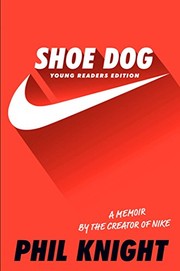
Review: Shoe Dog: A Memoir by the Creator of Nike by Phil Knight
In a Nutshell
Phil Knight's "Shoe Dog" is a raw, honest memoir of building Nike from a $500 loan to a global empire, detailing the struggles, loyalties, and relentless optimism that fueled its rise.
Phil Knight’s *Shoe Dog* isn’t just another business memoir; it’s a visceral, often exhilarating, and surprisingly tender chronicle of relentless optimism meeting brutal reality. It's a testament to the sheer, bloody-minded will required to birth something truly revolutionary from a gut feeling and a borrowed $500.
At its heart, *Shoe Dog* is the story of Phil Knight’s audacious, improbable journey to create Nike. It traces the fledgling company’s origins as Blue Ribbon Sports, a distributor of Japanese running shoes, through its tumultuous growth, its near-constant flirtation with bankruptcy, and its eventual transformation into a global behemoth. It’s less a dry recounting of financial statements and more an intimate, first-person narrative of the sleepless nights, the precarious deals, the fierce loyalties, and the sheer, unadulterated desperation that fueled the enterprise.
What works so beautifully about *Shoe Dog* is its unvarnished honesty and the raw, human voice Knight employs. He doesn’t shy away from his own flaws, his occasional myopia, or the moral compromises that were sometimes necessary for survival. The prose, far from the sterile language of quarterly reports, is lean, propulsive, and imbued with a surprising lyricism, especially when he describes the intoxicating thrill of running or the simple elegance of a well-designed shoe. Reading it, I found myself utterly captivated by the cast of characters who populate this chaotic, vibrant early world of Nike: the fiercely loyal Bill Bowerman, the eccentric but brilliant designer, and the cadre of misfits, rebels, and dreamers who formed the company’s soul. It’s a narrative that feels less like a curated corporate history and more like eavesdropping on a series of desperate, brilliant conversations in smoke-filled rooms. In its ability to capture the messy, often unglamorous grind behind monumental success, it reminded me of the gritty authenticity I’ve come to admire in the works of authors like Michael Lewis, though Knight’s focus is squarely on the entrepreneurial spirit.
Where *Shoe Dog* could perhaps be stronger is in its exploration of the broader societal impact of Nike’s rise, particularly as the company grew and faced increasing scrutiny. While Knight touches upon the ethical considerations and the inevitable criticisms, these moments, while present, feel somewhat less fleshed out than the nail-biting accounts of early fundraising or the tense negotiations with suppliers. The book is so deeply invested in the personal struggle and the immediate challenges of building the company that the larger ethical questions, though acknowledged, don’t always get the same deep dive. Similarly, while the ending is satisfying in its resolution of the business’s trajectory, a more sustained reflection on the long-term implications of what they’d created might have provided an even richer, more complex conclusion.
Ultimately, *Shoe Dog* is a triumph of storytelling from a man who, by his own admission, is not a natural writer. It’s a powerful, often inspiring, and deeply human account of the entrepreneurial spirit at its most raw and relentless. It’s the perfect read for anyone who has ever dreamed of building something from nothing, for aspiring entrepreneurs, or simply for those who appreciate a gripping narrative about perseverance and the unexpected paths to success. You’ll finish it with a newfound respect for the sheer, unyielding effort behind that iconic swoosh, and perhaps a renewed belief in your own ability to chase the impossible.
More Reviews
Review: The Audacity of Hope: Thoughts on Reclaiming the American Dream by Barack Obama
by Barack Obama
Review: Six of Crows by Leigh Bardugo
by Leigh Bardugo
Review: Atom Habits: An Easy & Proven Way to Build Good Habits & Break Bad Ones by James Clear
by James Clear