
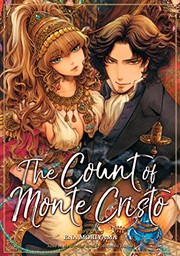
Review: The Count of Monte Cristo by Alexandre Dumas
In a Nutshell
A thrilling saga of betrayal, imprisonment, and meticulously planned revenge by the enigmatic Count of Monte Cristo.
Alexandre Dumas’s *The Count of Monte Cristo* is less a novel and more a gravitational force, pulling readers into a vortex of betrayal, revenge, and ultimate redemption that has captivated imaginations for over a century. It is a testament to the enduring power of a grand, sweeping narrative, where justice, though often agonizingly delayed, finds its formidable and meticulously planned expression. As Victor Hugo so eloquently put it, "revenge is a dish best served cold," and Dumas serves it here with the chilling precision of a perfectly executed plan.
The essence of *The Count of Monte Cristo* lies in the shattering of a young man's life and his subsequent, extraordinary transformation. Edmond Dantès, a naive and promising sailor, is unjustly imprisoned on the eve of his wedding, a victim of the treacherous machinations of those he once considered friends. After years of suffering and the discovery of a hidden treasure, he emerges from his ordeal as the enigmatic and immensely wealthy Count of Monte Cristo, armed with the singular purpose of righting the wrongs done to him and ensuring his tormentors face a reckoning they will never forget. The novel is a vast tapestry woven with intricate plots, disguises, and a slow, inexorable dismantling of the lives of his enemies.
What elevates *The Count of Monte Cristo* beyond mere pulp adventure is Dumas’s masterful command of pacing and character. The early chapters, depicting Dantès’s idyllic life and subsequent descent into despair, are imbued with a poignant vulnerability that makes his transformation all the more profound. Once the Count embarks on his mission, the narrative accelerates, drawing the reader into a complex web of intrigue. Dumas possesses an uncanny ability to balance the grand spectacle of wealth and influence with the intimate, often brutal, emotional fallout of his characters’ actions. The sheer scope of the Count’s revenge, executed with psychological acuity and unfailing logic, is breathtaking. It’s akin to watching a master chess player systematically capture each opposing piece, but here, the pieces are human lives, fortunes, and reputations. The exploration of vengeance itself, its consuming nature and its potential to corrupt even the noblest of intentions, is handled with a sophistication that belies the novel's popular reputation as a simple thriller. The numerous subplots and a cast of characters, from the cunning Abbé Faria to the utterly villainous Baron Danglars, are rendered with a vibrant, almost theatrical flair.
However, even a titan like Dumas is not without his imperfections. While the labyrinthine plots are largely engaging, there are moments, particularly in the middle section of the novel, where the sheer volume of characters and interwoven schemes can feel overwhelming. Some of the secondary characters, while serving their plot functions, occasionally verge on caricature, lacking the nuanced depth of Dantès or his primary antagonists. Furthermore, the resolution of certain plot threads, while satisfying in its broad strokes, can sometimes feel a touch too neat, a convenient tying-up of loose ends that slightly diminishes the raw, unpredictable nature of the human drama that preceded it. I found myself wishing for a bit more exploration of the moral complexities inherent in the Count's ultimate triumph, a deeper dive into the lingering shadows that such a monumental undertaking would inevitably cast.
Despite these minor quibbles, *The Count of Monte Cristo* remains an undisputed masterpiece. It is a novel that understands the allure of a perfectly executed plan, the intoxicating power of justice, and the profound, often painful, journey of the human spirit. For readers who crave epic narratives, intricate plotting, and characters who grapple with the deepest questions of morality and fate, this book is an absolute must. You will emerge from its pages not just entertained, but profoundly moved, with the echo of the Count’s grand pronouncements resonating long after the final sentence. It’s a literary Everest, and the climb is an unforgettable adventure.
More Reviews

Review: The Audacity of Hope: Thoughts on Reclaiming the American Dream by Barack Obama
by Barack Obama
Review: Six of Crows by Leigh Bardugo
by Leigh Bardugo
Review: Atom Habits: An Easy & Proven Way to Build Good Habits & Break Bad Ones by James Clear
by James Clear