
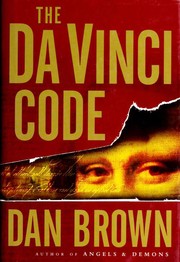
Review: The Da Vinci Code by Dan Brown
In a Nutshell
A thrilling race against time unravels ancient secrets hidden within art, history, and religion, challenging established dogma.
Few novels have ignited a global conversation quite like Dan Brown's *The Da Vinci Code*, a book that dared to question centuries of established dogma and sent millions scrambling to their local libraries and bookstores. Its premise, that history's most sacred narratives might be a meticulously crafted deception, tapped into a primal human curiosity about the secrets hidden just beneath the surface of our accepted realities.
At its core, *The Da Vinci Code* is a breathless chase across Europe, a high-stakes scavenger hunt fueled by ancient riddles, cryptic symbols, and a cast of shadowy organizations vying for control of a secret that could shatter the foundations of Western civilization. When a murder occurs within the hallowed halls of the Louvre, Harvard symbologist Robert Langdon finds himself entangled with cryptologist Sophie Neveu, and together they must unravel a trail of clues left by Leonardo da Vinci himself, all while evading a relentless assailant and confronting the powerful forces determined to keep the truth buried.
What elevates *The Da Vinci Code* beyond a mere airport thriller is Brown's masterful control of pacing and his ability to weave complex historical and artistic references into a genuinely gripping narrative. The sheer ingenuity of the puzzles Langdon and Neveu must solve is captivating; they aren't arbitrary obstacles but are intrinsically linked to art history, religious iconography, and obscure philosophical texts. Brown’s prose, while not aiming for literary flourish, is incredibly efficient and propulsive, akin to the tight plotting of a classic Hitchcock film. The constant sense of discovery, of peeling back layers of meaning, is immensely satisfying. I found myself particularly drawn to the way Brown transforms familiar landmarks and artworks into active participants in the mystery, making the reader feel as though they are right there alongside Langdon, deciphering the secrets of the Mona Lisa or the ceiling of the Sistine Chapel.
However, the book isn't without its shortcomings. While the characters are functional to the plot, they occasionally lean towards archetypes rather than fully realized individuals. Langdon, the intellectual hero, and Neveu, the capable but emotionally guarded heroine, serve their purpose well, but their personal journeys feel somewhat secondary to the grander puzzle. Furthermore, the novel's reliance on exposition, particularly when explaining complex theological or historical concepts, can sometimes bog down the otherwise rapid momentum. While the research is clearly extensive, there are moments where the narrative feels like it’s pausing to deliver a lecture, which can briefly interrupt the immersive experience.
The verdict on *The Da Vinci Code* is that it is a triumph of speculative fiction and a masterclass in creating a page-turner. It succeeds not just as a thrilling mystery but as a catalyst for thought, prompting readers to question accepted truths and to look at art and history with a more discerning eye. This is a book for anyone who enjoys a good puzzle, a fast-paced adventure, and the tantalizing possibility that the greatest secrets are hidden in plain sight. Brown doesn't just tell a story; he invites you to become a detective, and the echoes of its central questions linger long after the final page is turned.
More Reviews
Review: The Audacity of Hope: Thoughts on Reclaiming the American Dream by Barack Obama
by Barack Obama
Review: Six of Crows by Leigh Bardugo
by Leigh Bardugo
Review: Atom Habits: An Easy & Proven Way to Build Good Habits & Break Bad Ones by James Clear
by James Clear