
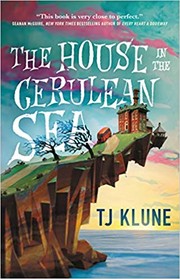
Review: The House in the Cerulean Sea by T.J. Klune
In a Nutshell
A lonely caseworker discovers a hidden magical orphanage and its extraordinary children, challenging his rigid world with love and acceptance.
T.J. Klune’s *The House in the Cerulean Sea* arrives like a much-needed balm, a gentle yet firm reminder of the extraordinary power of kindness in a world often inclined towards its opposite. It’s a novel that whispers encouragement, a fairy tale for adults grappling with the mundane cruelties of bureaucracy and the profound necessity of finding belonging.
At its heart, the story follows Linus Baker, a diligent but lonely case worker for the Department in Charge of Magical Youth. His life is a meticulously ordered existence of grey suits and dreary regulations, until he is tasked with a highly classified assignment: to travel to an isolated island orphanage and determine if the six exceptionally dangerous magical children residing there pose a threat to society. What Linus discovers, however, is far removed from the monstrous profiles he’s been fed, and the inhabitants of this peculiar house begin to chip away at the rigid walls he's built around his own heart.
What works so beautifully, and indeed, what makes this novel utterly captivating, is its unwavering commitment to its core message of acceptance and found family. Klune’s prose is deceptively simple, imbued with a warmth and whimsy that makes the fantastical elements feel grounded and achingly real. The children themselves are a marvel of characterization – from Lucy, the Antichrist with a penchant for classical music and existential musings, to Talia, the gnome with a fierce love for her garden and a surprisingly sharp tongue. Each child, and indeed the enigmatic caretaker Arthur Parnassus, is drawn with such care and specificity that you can’t help but fall for them, flaws and all. I found myself rereading certain passages just to bask in the humor and the profound tenderness that Klune so expertly weaves. The pacing is deliberate, allowing the reader to settle into the rhythm of island life and to truly get to know these characters, much like Linus himself does. It evokes a similar feeling to reading something by Neil Gaiman, but with a distinctly gentler, more optimistic outlook – a fairy tale without the lurking shadows, or rather, a fairy tale that confronts the shadows and finds light within them.
While the novel is an unmitigated success in its emotional resonance and character development, there were moments, particularly in the latter half, where the plot felt a touch too neatly resolved. The antagonists, representing the forces of fear and prejudice, are painted in broad strokes, and their ultimate defeat, while satisfying, lacks the nuanced complexity that defines the protagonists. It’s a minor quibble in the grand scheme of things, but I sometimes wished for a deeper exploration of the societal structures that create such prejudice, rather than a focus solely on the individual interactions. The resolution, though heartwarming, verged on being a touch too saccharine, perhaps sacrificing a degree of grit for an overwhelmingly happy ending. This is not to say it’s a bad ending by any stretch, but rather that the journey towards it felt so rich and real that the final destination, while desired, felt a little less earned than the preceding steps.
Ultimately, *The House in the Cerulean Sea* is a profound exploration of what it means to be seen, to be loved, and to be free to be one’s truest self, even when that self is considered dangerous or unconventional by the world. It’s a novel that champions empathy with every turn of the page, proving that the most powerful magic lies not in spells or incantations, but in the simple act of opening your heart. This book is a vital antidote to cynicism, a literary hug that leaves you feeling hopeful and a little bit braver. You’ll finish it with a smile and a renewed belief in the good that exists, waiting to be discovered.
More Reviews
Review: The Audacity of Hope: Thoughts on Reclaiming the American Dream by Barack Obama
by Barack Obama
Review: Six of Crows by Leigh Bardugo
by Leigh Bardugo
Review: Atom Habits: An Easy & Proven Way to Build Good Habits & Break Bad Ones by James Clear
by James Clear