
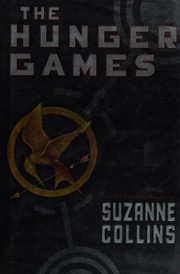
Review: The Hunger Games by Suzanne Collins
In a Nutshell
A young woman fights for survival in a televised death match, exposing the brutal realities of a dystopian society and sparking a fight for freedom.
The chilling echo of a name whispered in fear, "Katniss Everdeen," has become more than just a character; it’s a touchstone for a generation grappling with themes of survival, resistance, and the brutal realities of power. Suzanne Collins’ “The Hunger Games” doesn’t just tell a story; it forces us to confront the uncomfortable questions about entertainment, sacrifice, and the very definition of humanity when stripped bare.
Set in the dystopian nation of Panem, a continent risen from the ashes of North America, “The Hunger Games” follows Katniss, a resourceful teenager from the impoverished District 12. As punishment for a past rebellion, each of Panem’s twelve districts is forced to offer up a boy and a girl, known as tributes, to participate in an annual televised event: the Hunger Games. In this gladiatorial spectacle, twenty-four teenagers are thrust into a meticulously designed arena where only one can survive. Katniss volunteers to take her younger sister’s place, and her journey is one of fierce determination, strategic alliances, and a dawning awareness of the larger political machinations at play.
What elevates “The Hunger Games” beyond a simple survival narrative is Collins’ masterful ability to blend pulse-pounding action with profound emotional depth. Her prose, while direct and accessible, is laced with a quiet power that captures the raw desperation of Katniss’s world. The first-person perspective, unfiltered and immediate, immerses the reader directly into Katniss’s thoughts and fears. We feel the gnawing hunger in District 12, the icy terror of the Reaping, and the adrenaline-fueled panic of the arena. Collins excels at portraying the complex inner life of her protagonist; Katniss is not a born hero but a pragmatist, driven by a fierce loyalty to her family and a deeply ingrained survival instinct. Her internal monologues, often sharp and unsentimental, reveal a young woman wrestling with morality in a world designed to strip it away. The introduction of Peeta Mellark, the male tribute from District 12, provides a crucial counterpoint to Katniss’s stoicism, introducing an element of calculated charm and underlying vulnerability that adds layers of complexity to their relationship. This dynamic, fraught with strategic performance and genuine connection, is one of the novel’s most compelling threads, resonating with the theatricality of their predicament.
Furthermore, Collins’ exploration of the media’s role in shaping public perception and manipulating dissent is remarkably prescient. The Hunger Games themselves are not just a punishment; they are a meticulously crafted spectacle, designed to entertain the wealthy citizens of the Capitol while simultaneously terrorizing the districts into submission. The way the tributes are styled, interviewed, and presented to the public mirrors the superficiality and voyeurism of our own media landscape, forcing readers to consider their own complicity in consuming such forms of entertainment. The contrast between the opulence of the Capitol and the destitution of the districts is stark and unsettling, painting a vivid picture of class inequality and the dehumanizing effects of unchecked power, themes that echo authors like George Orwell in their stark depiction of societal control.
While “The Hunger Games” is undeniably gripping, there are moments where the narrative’s relentless pace, while effective for the most part, can overshadow some of the finer nuances of character development beyond Katniss and Peeta. The supporting tributes, though briefly glimpsed, often feel more like archetypes than fully realized individuals, their fates serving primarily to highlight the brutality of the Games. Similarly, the political machinations of President Snow and the Capitol, while integral to the plot, remain somewhat abstract until later in the series, leaving the initial exploration of the oppressive system feeling slightly less fleshed out than Katniss’s immediate struggle for survival. One could argue that a little more time spent delving into the motivations and internal conflicts of other characters, or perhaps a more detailed exploration of the districts’ history prior to the rebellion, could have added further depth to the world-building.
Ultimately, “The Hunger Games” is a masterful piece of young adult fiction that transcends its genre, offering a thrilling, thought-provoking, and deeply resonant reading experience. It’s a book that stays with you long after you’ve turned the final page, prompting introspection about our own society and the courage it takes to stand up against injustice, even when the odds are stacked impossibly high. Readers will find themselves not just captivated by Katniss’s fight for survival, but profoundly moved by her burgeoning spirit of rebellion, a flicker of hope in the face of overwhelming darkness.
More Reviews
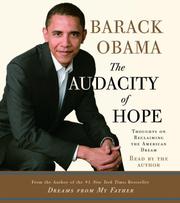
Review: The Audacity of Hope: Thoughts on Reclaiming the American Dream by Barack Obama
by Barack Obama
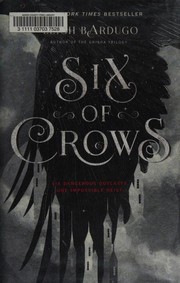
Review: Six of Crows by Leigh Bardugo
by Leigh Bardugo
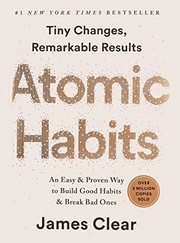
Review: Atom Habits: An Easy & Proven Way to Build Good Habits & Break Bad Ones by James Clear
by James Clear