
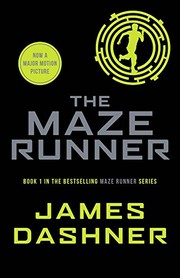
Review: The Maze Runner by James Dashner
In a Nutshell
This thrilling debut plunges teens into a mysterious maze, forcing them to confront fear and forge hope in a fight for survival.
The claustrophobia of "The Maze Runner" isn't just a physical constraint; it's a palpable metaphor for the adolescent struggle against imposed limitations, a feeling James Dashner masterfully captures. The sheer, unadorned terror of the unknown, and the desperate human need to forge meaning within it, is the engine that drives this relentlessly paced narrative.
James Dashner's "The Maze Runner" plunges readers headfirst into the Glade, a sun-drenched, treelined sanctuary surrounded by an impenetrable, ever-shifting labyrinth. Our protagonist, Thomas, awakens with no memory of his past, only the disorienting reality of a community of boys – the Gladers – who have learned to survive within this bizarre prison. Their days are dictated by the cycles of the sun and the terrifying hunts of the mechanical Grievers that emerge from the Maze at night. The ultimate goal, a desperate flicker of hope, is to find a way out, to solve the riddle of the Maze before their sanity, or their lives, are irrevocably lost.
What elevates "The Maze Runner" beyond a simple adventure yarn is its unflinching exploration of human resilience under extreme duress. Dashner doesn't shy away from the fear and confusion that would undoubtedly grip any group of teenagers thrust into such a terrifying, amnesiac existence. Thomas, as our eyes and ears, is a wonderfully relatable entry point into this world. His initial disorientation quickly gives way to a potent curiosity and a burgeoning sense of bravery, mirroring the reader's own desire to unravel the mysteries alongside him. The Glade itself feels like a character; the camaraderie born of shared hardship, the established rules, the nascent forms of governance – all these elements are rendered with a surprising amount of detail and nuance, creating a vivid, believable micro-society. The pacing is, for the most part, exhilarating. Dashner excels at generating suspense, particularly in the sequences where characters venture into the Maze. The descriptions of the mechanical horrors and the disorienting architecture are genuinely chilling, evoking a visceral sense of dread that keeps you turning pages long past your bedtime.
While the initial premise and the breakneck pacing are undeniable strengths, "The Maze Runner" occasionally stumbles in its later stages, particularly concerning the development of some of the supporting characters. Beyond Thomas, Alby, and a few others, many of the Gladers remain somewhat indistinct, serving more as plot devices than fully realized individuals. This is a common pitfall in fast-paced genre fiction, but I found myself wishing for a deeper dive into the diverse personalities and backstories of the boys trapped in the Glade. Furthermore, the overarching mythology, while intriguing, can feel a little exposition-heavy in certain sections, sometimes slowing the momentum that Dashner so skillfully builds. It's as if the intricate machinery of the plot occasionally overtakes the organic growth of character.
Despite these minor critiques, "The Maze Runner" remains a compelling and thought-provoking read, a testament to the power of hope in the face of overwhelming adversity. It’s a book that will resonate deeply with young readers grappling with their own feelings of confinement and the universal search for identity and purpose. Dashner has crafted a thrilling and accessible entry point into a world that, despite its dangers, offers a powerful message about courage, community, and the unyielding human spirit. You’ll find yourself rooting for these boys, not just to escape the Maze, but to simply understand what it all means.
This thrilling debut plunges teens into a mysterious maze, forcing them to confront fear and forge hope in a fight for survival.
More Reviews
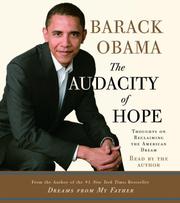
Review: The Audacity of Hope: Thoughts on Reclaiming the American Dream by Barack Obama
by Barack Obama
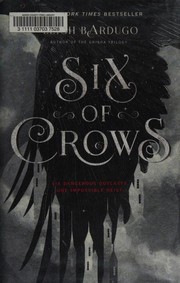
Review: Six of Crows by Leigh Bardugo
by Leigh Bardugo
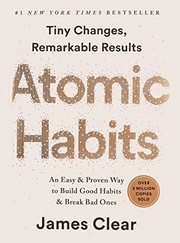
Review: Atom Habits: An Easy & Proven Way to Build Good Habits & Break Bad Ones by James Clear
by James Clear