

Review: The Sum of Us: What Racism Costs Everyone and How We Can Prosper Together by Heather McGhee
In a Nutshell
Heather McGhee's "The Sum of Us" reveals how racism has impoverished all Americans and offers a hopeful vision for collective prosperity through solidarity.
Heather McGhee’s "The Sum of Us" arrives not as a whisper, but as a clarion call, a deeply researched and impassioned argument that the very systems designed to benefit some have, in fact, impoverished us all. McGhee masterfully dismantles the myth of zero-sum politics, revealing how the racial hierarchy has systematically drained resources and solidarity from every corner of American society.
At its core, "The Sum of Us" is an exploration of the "wages of whiteness" and the invisible, corrosive effects of racism on not just its targets, but on the collective American psyche and economy. McGhee doesn't merely present statistics; she weaves together personal anecdotes, historical context, and sociological analysis to demonstrate how the deliberate construction of racial divisions has prevented the United States from achieving its full potential for shared prosperity. She travels the country, interviewing people from diverse backgrounds, showing how policies and attitudes that appear to benefit white people often come at a profound cost, leaving everyone else behind and ultimately undermining the well-being of white communities as well. The book is a powerful refutation of the idea that addressing racial inequality is solely the concern of marginalized groups.
What truly elevates "The Sum of Us" is McGhee’s extraordinary ability to make complex sociological concepts accessible and deeply resonant. Her prose is luminous, moving from sharp analytical insights to moments of profound empathy. I found myself repeatedly struck by her knack for finding the human story within the data, illustrating how the historical legacy of racism manifests in the everyday lives of individuals. For instance, her examination of the decline of public goods – from swimming pools to affordable housing – as a direct consequence of racial resentment offers a potent and often surprising lens through which to view our current societal challenges. She draws parallels, implicitly and explicitly, to the work of thinkers like W.E.B. Du Bois in his exploration of the psychological and economic costs of race, but McGhee brings a contemporary urgency and a forward-looking hope that feels vital for our current moment. The book is not just an indictment; it's an invitation to imagine and build a different future, one where solidarity can unlock collective advancement. The narrative structure, moving from individual stories to broader systemic analysis, keeps the reader engaged and intellectually stimulated.
While the book’s overall impact is undeniably powerful, there were moments, particularly in the middle sections, where the sheer volume of examples, while important for illustrating her point, could feel slightly repetitive. A more tightly curated selection of case studies, perhaps, might have allowed for even deeper dives into the most compelling illustrations of her thesis. Additionally, while McGhee eloquently outlines the costs of racism, the practical pathways to dismantling it, though hinted at, could have been explored with a bit more granular detail in certain areas. The hope she offers is palpable, but the roadmap to achieving that shared prosperity, especially in the face of entrenched opposition, sometimes felt a bit less developed than the diagnosis of the problem. This is a minor quibble in an otherwise masterfully constructed argument, but a point of reflection for further discussion.
Ultimately, "The Sum of Us" is a landmark work, a necessary and deeply humane intervention into the national conversation about race and inequality. McGhee offers not just a compelling diagnosis of America’s divisions, but a hopeful and pragmatic vision for healing them. It is essential reading for anyone who believes that a more just and prosperous society is possible, and for those who are ready to understand how we have all been diminished by the phantom menace of racial hierarchy. Readers will close this book not with despair, but with a renewed sense of possibility and a clearer understanding of their own stake in building a truly collective future.
More Reviews
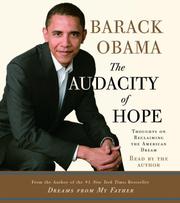
Review: The Audacity of Hope: Thoughts on Reclaiming the American Dream by Barack Obama
by Barack Obama

Review: Six of Crows by Leigh Bardugo
by Leigh Bardugo
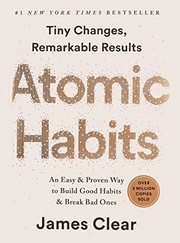
Review: Atom Habits: An Easy & Proven Way to Build Good Habits & Break Bad Ones by James Clear
by James Clear